Best OnlyFans Alt & Tattoo Creators
Find the most creative alternative and tattoo creators on OnlyFans in 2026. From goth aesthetics to punk style, these creators break the mold with edgy content, stunning ink, and unique artistic expression. Discover creators who dare to be different.
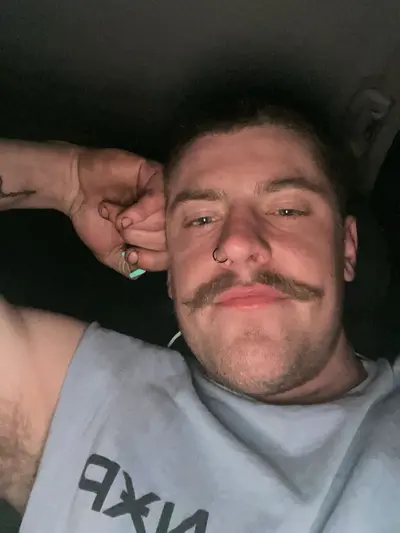
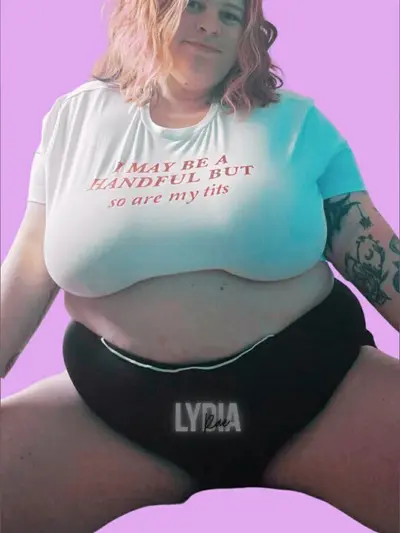
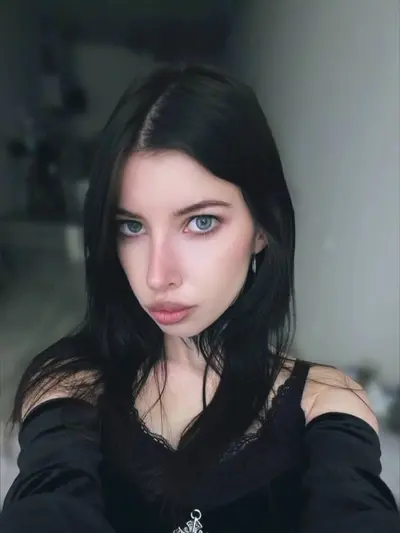
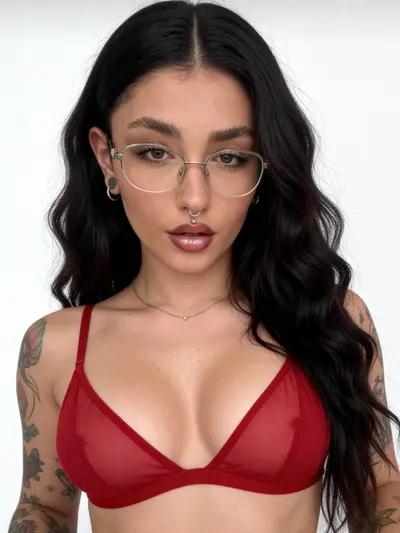
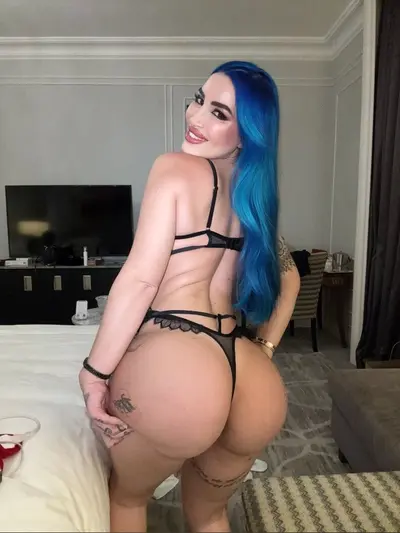
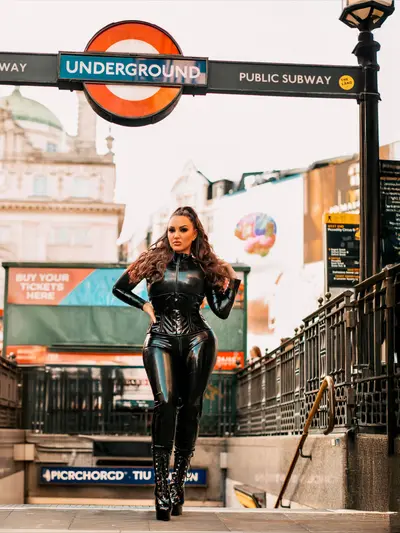
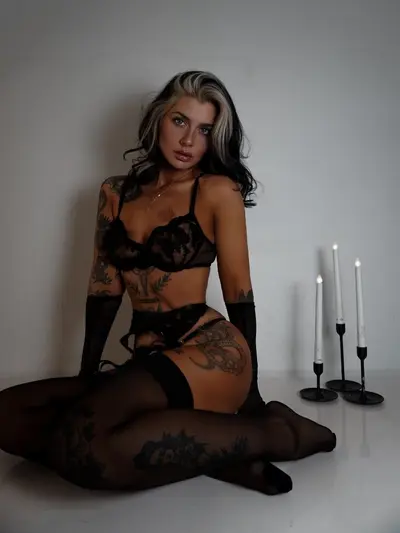
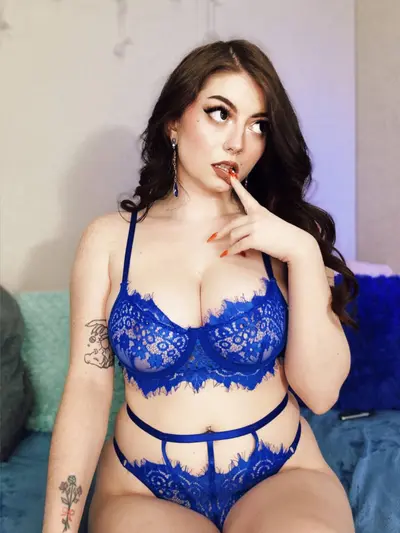
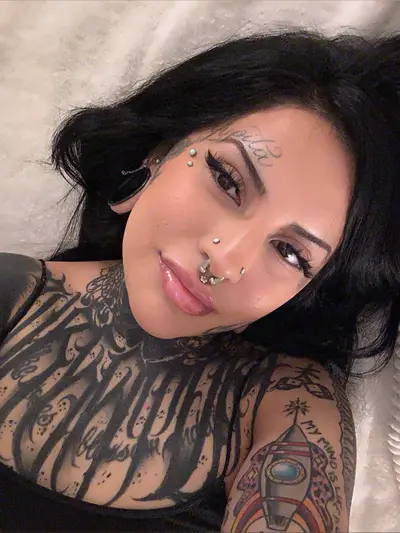
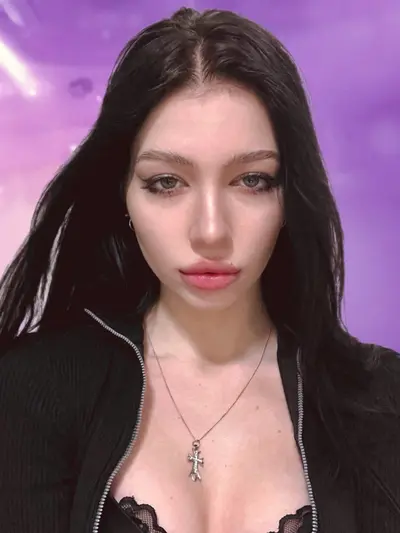
How to choose from this collection
Alt is a lineage more than a look, and the scenes gathered under it do not blend as neatly as the single word suggests. Punk and hardcore styling is DIY, patched, cut up and deliberately rough, and it carries an attitude to presentation that is almost the opposite of glamour. Metal runs on band shirts, long hair, denim and battle jackets assembled over years, with loyalties attached to each patch. Emo and scene styling has come back around with its own palettes, its own hair and a knowing relationship to the version of it that existed the first time. The internet-native e-girl and e-boy look sits alongside all of it, borrowing freely from anime, streaming culture and skate wear. Cyber and industrial styling brings vinyl, straps, goggles and synthetic falls. Underneath every one of them runs a tattooed pinup tradition that predates the online versions entirely, going back through mid-century flash and rockabilly and into the alt photography sites of the early two-thousands, which is where a great deal of the lighting and posing vocabulary in this category was worked out.
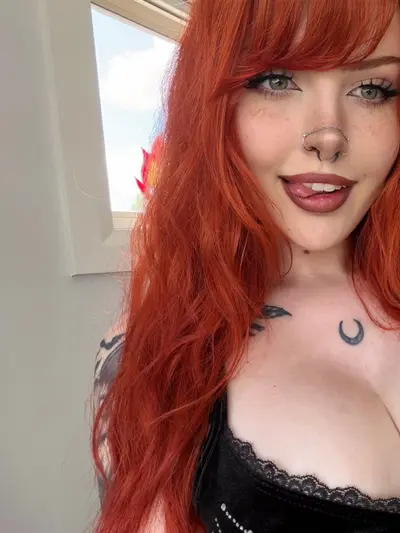
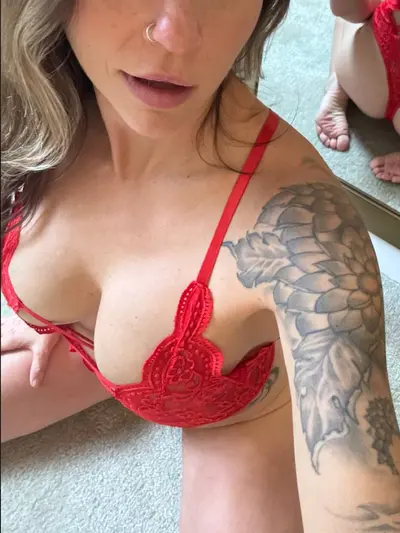
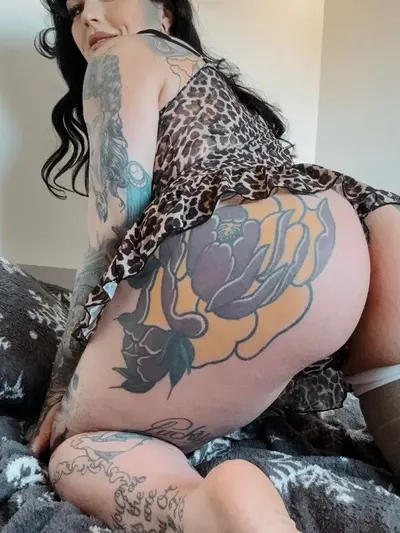
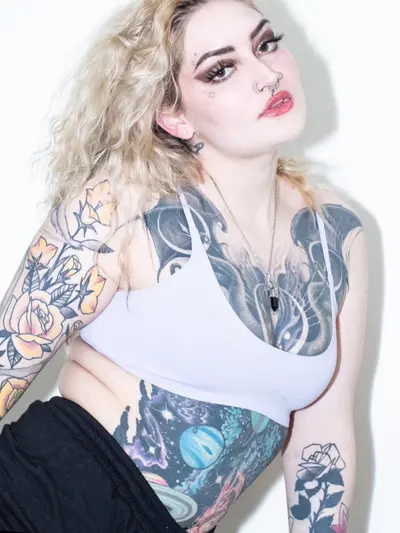
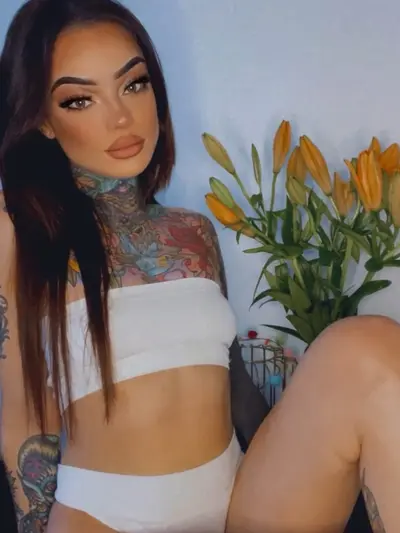
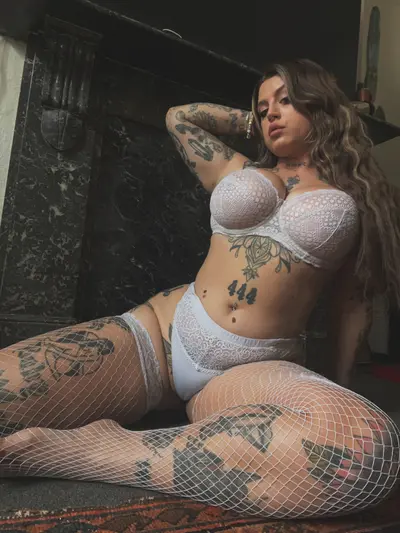
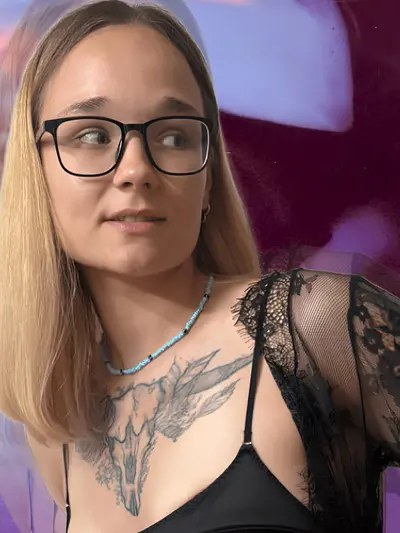
Tattoos are the through-line, and they impose constraints no other category has to work around. A large piece is not a costume that comes off at the end of a shoot. It is built across multiple sessions spread over months, it heals for weeks during which it cannot be photographed properly, it settles and softens for a year afterwards, and it commits the person wearing it to a look permanently. That permanence changes what the content can be. On the better pages the ink is the subject rather than the decoration: stencil placement filmed, sessions photographed, a back piece documented from outline to finished colour across a year. Creators talk about line quality, about the differences between blackwork and fineline and traditional colour, about how a piece has settled, what needed touching up, what got covered and why. A fair number of people in this category are artists, apprentices or piercers themselves, which brings genuine studio content and craft talk onto the page. Where a piece appears, the artist who did it is normally credited by name.
Photographing heavy coverage is a specific technical problem and the solutions are not intuitive. Flat frontal light erases tattoos almost completely, flattening detailed work into a grey smudge, because ink under skin has very little of its own contrast to offer. What makes line work read is directional light — a key well off to the side, raking across the body so that the curve of a shoulder or a ribcage separates from the ink sitting on it. Shadow becomes a compositional tool rather than a problem. Black-and-grey work needs a cooler, harder treatment than colour, which wants softer light so the pigment does not blow out. Skin texture matters enormously, since heavy smoothing destroys exactly the thing the image is about. And fresh work behaves differently from healed work: it is shiny, raised and often swollen, and creators who want to show it will shoot it with that in mind rather than fight it.
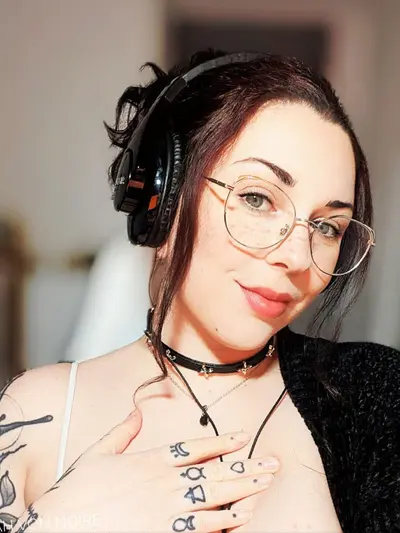
Hair colour and piercings run on maintenance cycles that quietly organise the whole feed. Bleached and dyed hair shifts noticeably within a couple of weeks, so sets shot a month apart can look like different people, and colour changes end up functioning as a kind of timeline across a page. Roots, damage and the recovery a scalp needs between bleaches cost real days. Fresh piercings need months before jewellery can be changed, and stretched lobes go up in size slowly with long waits between. None of this is glamorous, but it explains a great deal about why these pages look the way they do across a year, and creators tend to talk about it openly because it is simply the texture of the life.
The people working here fall into recognisable kinds. There are scene creators whose page is essentially a document of a life in music — gigs, festivals, merch, the jacket in progress. There are heavily tattooed models working in a pinup register, with vintage staging, strong lighting and a real debt to the studio tradition behind them. There are artists and apprentices whose content is half studio, half self-portrait. There are e-girl and streaming-adjacent creators whose visual language comes from the internet rather than from any club. There are alt-fitness creators, whose ink reads completely differently on a body under load. And there are creators who work primarily in body modification more broadly, with piercings, stretching and scarification as the subject.
The niche has moved considerably on the platform. It began as a fairly narrow tattooed-pinup style inherited from the alt sites of the previous decade, and it has broadened into something much less unified, with the scene, streaming and fitness strands all pulling in their own directions. Video has become far more central, because a large piece wrapping around a torso or a thigh only makes sense in motion. Studio-day content — a whole session filmed and edited — has emerged as a genuinely distinctive form that exists almost nowhere else. And the relationship with music has stayed strong, with tour dates, gig photography and album talk running alongside the rest.
The commercial structure is conventional: paid monthly pages, some free pages releasing content individually, tiered options and reduced rates for longer commitments. Two things are particular to this category. Studio-day and tattoo-session content is usually treated as a special drop rather than routine feed material, since it takes an entire day, involves another professional's workspace and costs the creator money to produce before it earns any. And output naturally moves in cycles around healing, which is why creators here often post a schedule in advance and tell people when a big session is booked.
Requests tend to be about presentation rather than acts: a specific outfit, a band shirt, a particular piece shot in particular light, boots or a harness, video showing how a large piece follows the body as it moves. Some creators sell documentation of an upcoming session, which is one of the more unusual customs available anywhere. Deposits and queues are normal and turnaround usually runs from a few days to a couple of weeks. The conversation around all of it is often better than average, mostly because tattoos come with stories attached and people who carry them generally like being asked. Questions about artists and studios get real answers, opinions about styles and shops are strongly held, music comes up constantly, and polls on the next hair colour or the next outfit are close to a fixture.
Frequently Asked Questions
What is alternative OnlyFans content?
Alternative OnlyFans content includes goth, punk, emo, and tattooed creators who showcase unique aesthetics, body art, alternative fashion, and artistic expression that stands out from mainstream content.
Do alt creators share tattoo content?
Many alternative creators document their tattoo journeys, share behind-the-scenes footage of tattoo sessions, and showcase their body art in creative photoshoots.
How do I find goth creators on OnlyFans?
Browse KissMeHub's Alt/Tattoo category to find goth, punk, and alternative creators. Use search tags to narrow down specific alternative aesthetics and styles.