
Best OnlyFans Big Tits Creators
Discover the top busty creators on OnlyFans in 2026. Our curated directory features verified big tits creators who deliver premium exclusive content and strong fan engagement. Find the most popular busty creators across all niches right here.


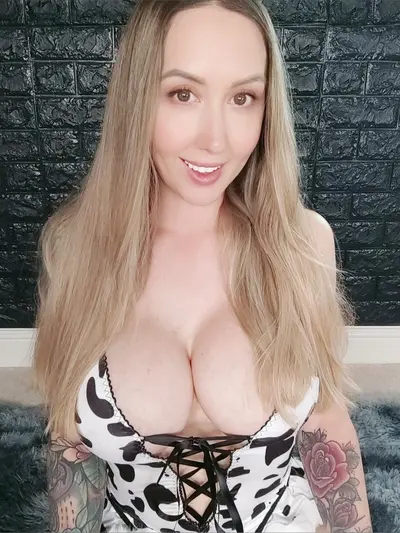
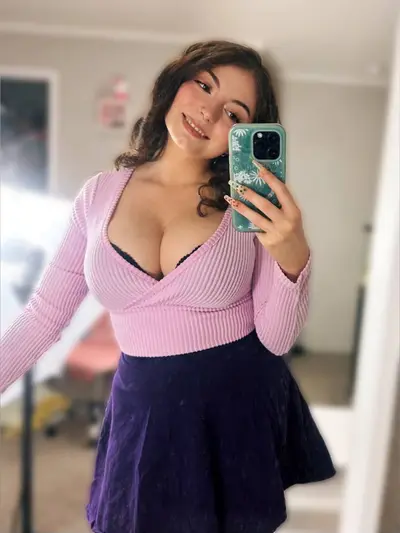
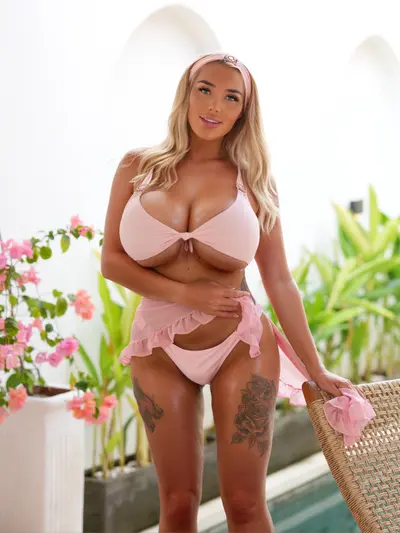
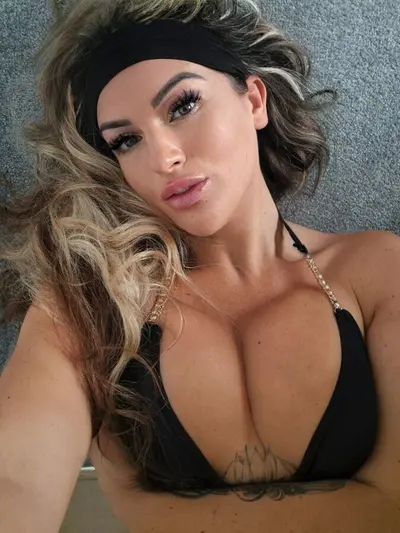
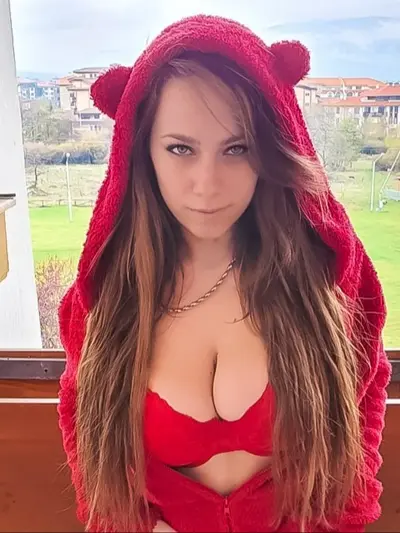
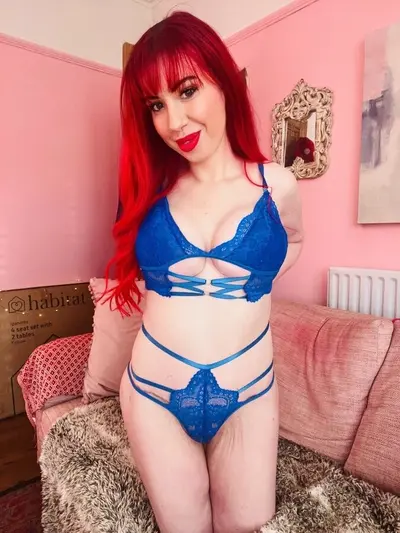
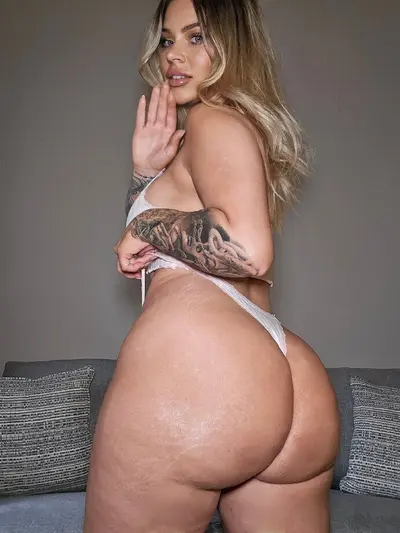
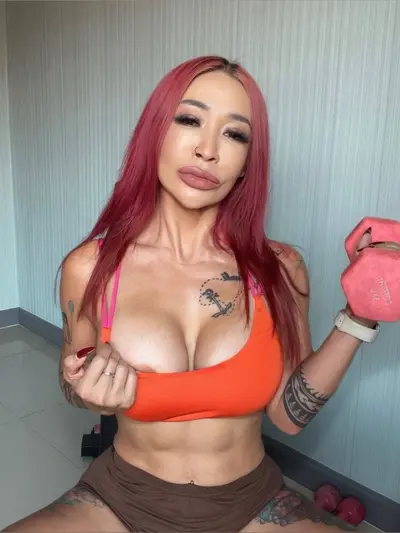

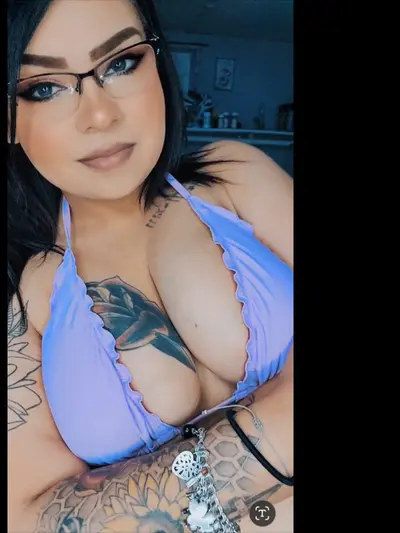
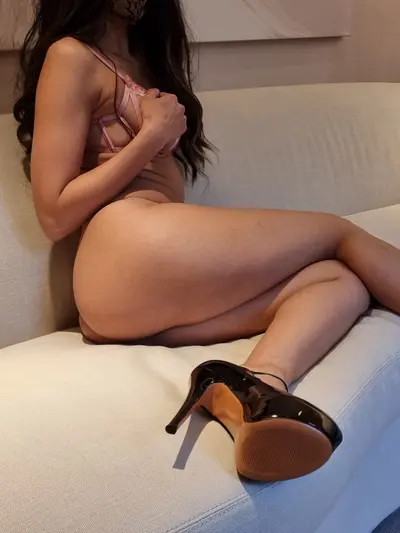

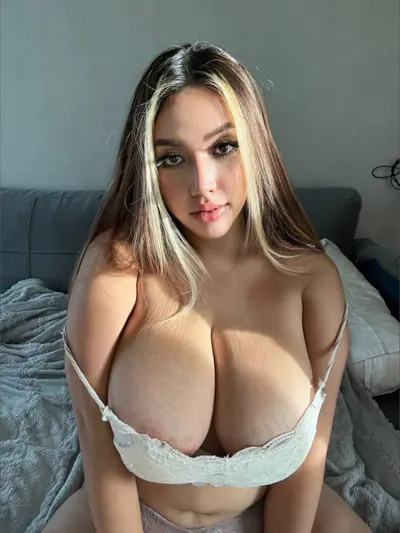
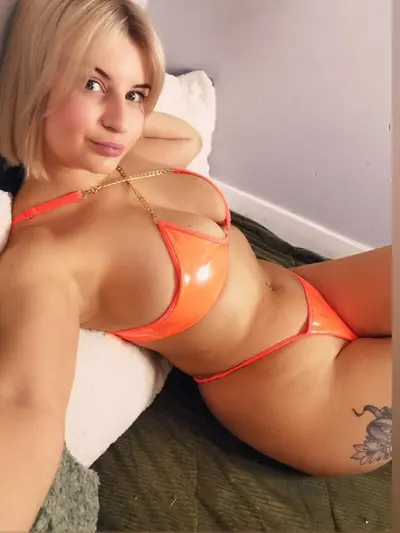

How to choose from this collection
Every photograph has a hierarchy, and the eye settles on whatever is largest, brightest and highest in contrast before it looks at anything else. The organising problem in this category is that the subject arrives with that hierarchy already decided. Whatever else is in the frame — the face, the hands, the room, the clothes — is competing with a shape that will win, so the work becomes a question of what to do about it. Some creators lean into the dominance and build the picture as a single strong form against an empty background, with nothing else asking for attention. Others deliberately delay it, putting the face high in the frame and letting the eye travel down, or setting the body at an angle so the shape reads as part of a diagonal rather than as the whole composition. Shoulders and collarbone act as the counterweight in almost all of it, which is why so much good work in this niche frames wider than a viewer would expect, and why the tightest crops are usually the least interesting pictures on a page.
The tag itself is vernacular rather than technical. It came up through cover lines on newsstand magazines, then through the naming conventions of early internet newsgroups and directories, then through the tag systems of video sites, arriving on subscription platforms as a phrase everybody already knew how to type. That lineage matters because it makes the tag a description of what someone is looking for rather than a measurement of anything. It sits alongside more precise words without replacing them, and creators use it as an entry point, a plain label attached to a page whose actual subject may be glamour photography, cosplay, fitness or ordinary daily life. The blunt search term and the specific page behind it are two different things, and the interesting part of the category is the distance between them.
Material here tends to be built in sequences rather than single images, and the sequence is the real unit of work. A set opens dressed and works through a progression: a coat, a knit, a shirt, a bra, each stage changing the silhouette and the way light falls rather than simply removing something. Getting that to work requires planning the order of the layers before the shoot rather than during it, since a garment that has been taken off cannot easily be put back on with the hair and the light unchanged. Motion sequences follow the same logic on a shorter timescale — the sit, the lean, the turn, the stretch upward, the moment of settling — and they exist because weight and movement are things a still frame can only imply. Video suits the subject unusually well for that reason, and the accounts that have leaned into it tend to shoot in short deliberate actions rather than long unstructured takes.
Outerwear is a bigger subject here than underwear, and it is where most of the wardrobe conversation actually lives. Commercial patterns are drafted to a standard bust-to-frame relationship, so garments cut for a smaller one behave in specific and predictable ways: buttons gape between fastenings, shirt hems ride up at the front, knitwear stretches horizontally and shortens, wrap dresses open, darts land in the wrong place, and a jacket that closes across the chest hangs loose everywhere else. Creators here become fluent in the solutions — buying up two sizes and having the shoulders and waist taken in, choosing cuts with real shaping rather than a straight side seam, ribbed and jersey fabrics that move with the body, vintage and pin-up patterns drafted with more room built in, halter and wrap constructions that carry weight differently from a straight strap. That expertise generates content on its own, and try-on material in this category carries information alongside everything else it is doing.
Several distinct kinds of page share the tag and they feel nothing alike. Studio-led creators work with proper lighting, planned sets and often a photographer, publishing in batches after a shoot in a tradition that runs straight back through calendar and magazine work. Home and everyday creators shoot with a phone in ordinary rooms and post most days, where the body is a fact of the feed rather than the theme of it. Video-first creators build everything around movement and length, thinking in clips and running times rather than in sets. And there is a documentary strand where the practical business of the body is itself the subject — running, sleeping, the physiotherapy, the search for a jacket, the endless commentary from strangers — which turns a physical descriptor into an actual running narrative and tends to hold an audience for years.
What has changed most on the platform is who the material is about. The tag was formed in an era of anonymous images, where a picture circulated without a name attached and one body was interchangeable with another under the same keyword. Subscription reversed that completely, because what is being paid for is a continuing relationship with one specific page. Faces appeared, then voices, then talking to camera, then the ordinary detail of a life around the shoots. Longer video and vertical framing helped, and so did the shift toward archives that can be browsed as a body of work rather than scrolled as a stream. The practical effect is that the tag now functions as a doorway rather than as a description, and two accounts found through the same search can be almost entirely different propositions.
Commercially the category follows the platform's usual pair of arrangements. Most creators charge a monthly subscription with the feed included, often at a reduced rate across three, six or twelve months, and price longer video and full sets separately. Others keep an open page with no subscription charge and sell posts and message attachments individually. Where tiers exist they generally add video, uncropped or unedited sets, archive access or priority on requests. Custom work here is usually specified by garment and by action — a named top or bra, a particular sequence, a stated angle, a clip of a given length, a written or spoken greeting — and it is priced by running time with an addition where something has to be bought for the shoot, which in this category often means ordering in a size that is not sitting on a shelf. Deposits and stated turnaround windows are standard on anything longer, and creators who take requests regularly publish a menu with scope and limits set out in advance.
The pages that hold up over months are the ones that have decided what they are actually about. A tag this broad gives a creator no direction on its own, and the accounts worth following have supplied their own: a consistent visual approach, a wardrobe with a point of view, a subject they return to, a way of writing that sounds like a person. That decision is visible from outside within a handful of posts, and it is what turns a search term shared by an enormous number of pages into a set of individual bodies of work, each recognisable at a glance and difficult to substitute for one another.
Frequently Asked Questions
Who are the most popular busty OnlyFans creators?
Browse the Big Tits collection to compare matching profiles. Featured entries appear first, followed by newer matching listings. This placement order is not based on subscriber reviews or engagement scores.
What type of content do busty creators share?
Busty creators share diverse content including glamour photography, lingerie showcases, fitness content, and exclusive subscriber-only posts across many niches.
Are busty creators on KissMeHub verified?
A blue badge reflects the verification flag stored in the catalog. It is not a KissMeHub identity audit or a guarantee about the account's content. Check the linked account and current information before subscribing.