
Best OnlyFans Couple Creators
Discover the top couple creators on OnlyFans in 2026. Real, verified couples share authentic intimate content and exclusive experiences with their subscribers. Our directory features genuine couple accounts known for chemistry, quality content, and fan engagement.










How to choose from this collection
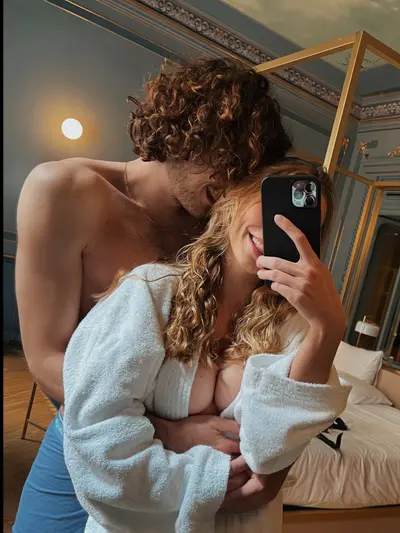
One camera and two subjects is an awkward geometry, and nearly everything that gives a page in this category its particular look comes from how that geometry has been solved. The three common answers each leave a signature. A fixed camera on a tripod produces wide, static, uninterrupted footage with the quality of a room you are standing in, unedited and continuous, where the framing is decided once and then lived inside. Handheld filming by one partner produces close, mobile, subjective footage in which the person holding the phone is present as a hand, a voice and a point of view rather than as a body. A mirror, used well, splits the difference and puts both people in frame from a camera that neither has to hold. Experienced couples tend to build a page out of all three, using the tripod for the long take, handheld for the detail, and the mirror when they want the composition to include both of them without cutting.
Adding a second angle changes the whole job rather than just improving it. Two cameras mean synchronising two files that started at different moments, matching white balance between devices that render skin differently, and then actually cutting, which is a skill in its own right. The reward is enormous: coverage lets a couple keep the good half of a take and drop the rest, cut away from anything that did not work, and show both partners in motion within a single scene instead of alternating between two half-visible ones. Most pages that make this jump do it cheaply, with an older phone on a second tripod and a hand clap at the start of each take to give the editor a sync point. The step from one camera to two is the single largest visible upgrade available in this category, and it costs less than most people assume.
Sound carries more of a scene here than most people expect, and it is rarely something a profile mentions at all. Two people talking to each other is a great deal of what makes this format different from solo work, and it only lands if the recording is close. A phone across the room captures a room, not a conversation: reflections off hard walls, the fridge, traffic, a voice that arrives thin and late. The fixes are small. A clip microphone tucked into bedding, a separate recorder on the mattress under a pillow, a duvet and a rug in a room that would otherwise ring, filming with the window shut. Couples who have worked this out get intimacy that no lens delivers, because a close, quiet, unprocessed voice reads as proximity in a way that image resolution never does.
Not every page shows both faces, and in this category that is a compositional decision as much as a private one. Plenty of couples work with one partner permanently out of frame from the neck up, and the skilled ones treat that as a style rather than an absence: hands entering the frame from off-camera, a voice directing from behind the lens, shoulders and torso used as the visual anchor, the reverse angle deliberately withheld. There is a long photographic tradition behind this, from the cropped intimacy of mid-century nude photography to the anonymous first-person framing that home video invented by accident. Handled deliberately, a partly unseen partner concentrates attention rather than dividing it, and some of the most distinctive work in this category is made by couples who decided early that one of them would remain a presence rather than a subject.
Lighting one person is a solved problem; lighting two people at different distances from a single source is not. Light falls off sharply, so the near body blows out while the far one sinks, which is why two-person scenes need the source placed further back and wider than a solo shoot ever requires. The usual solution is to stop lighting bodies and start lighting the room: bounce a source off a white ceiling or wall so the whole space carries a soft ambient level, then add a small amount of shape from a practical lamp left visible in shot. This is why the accomplished pages in this category tend toward a warm, even, slightly low-contrast look rather than the hard directional key of a solo portrait set, and why bedside lamps, string lights and window light do so much of the work.
Subscription structures follow the platform's ordinary shapes here, with one arrangement that is worth understanding because it is so common. There is a monthly rate, discounted bundles for three, six or twelve months, and frequently a second free page acting as a shop window that leads toward the main one. On many couple pages the long joint videos are released as separately priced posts while the feed carries stills, short clips and solo material, and on others everything sits inside the monthly fee. Customs are quoted per request and work best when they are small and specific: a short scene in a style the couple already film, a particular outfit, a named setup, a personalised greeting from both of them. Those get a price and a turnaround measured in days. Anything needing a new location, a third performer, or a scenario well outside their usual range is priced as a production, since it costs an entire evening rather than ten minutes, and a second performer also brings in the platform's release paperwork. The least expensive custom on most couple pages is a solo one, simply because it needs only one person to be free.
Within the heading, pages sort themselves along a few recognisable lines. Some keep one partner nearly out of the picture and make the other the clear subject of almost every post, which is closer in shape to a solo page with a collaborator. Some are properly joint, treating the relationship rather than either person as the thing being shown, and those tend to be the pages that invest in coverage and sound because both bodies have to be legible at once. Some alternate by post, running solo material and joint material as parallel threads. And a documentary-leaning strand mixes in the unglamorous parts, the setup, the resets, the laughing, the argument about where the tripod goes, which for a lot of subscribers is the most enjoyable material on the page.
The texture of a couple page is unlike a solo subscription in a way that has nothing to do with the explicit content. You are looking in on something that already exists and would carry on existing without an audience, and the couples who do this well lean into exactly that. They answer questions about how they film, take suggestions for future posts, run polls about what to shoot next, and let the ordinary domestic surroundings stay in shot rather than dressing them out. What accumulates over a year is not a catalogue so much as a record: the same rooms in different seasons, the equipment slowly improving, two people getting better at being watched. That continuity is the thing the format offers that nothing else on the platform quite does.
Frequently Asked Questions
What do couple creators share on OnlyFans?
Couple creators share exclusive intimate content, behind-the-scenes moments, collaborative photoshoots, and authentic experiences that showcase their genuine chemistry.
Are couple accounts on KissMeHub verified?
A blue badge reflects the verification flag stored in the catalog. It is not a KissMeHub identity audit or a guarantee about the account's content. Check the linked account and current information before subscribing.
How do I find the best couple OnlyFans accounts?
Browse the Couple collection to compare matching profiles. Featured entries appear first, followed by newer matching listings. This placement order is not based on subscriber reviews or engagement scores.