
Best OnlyFans Gamer Girl Creators
Discover the top gamer girl creators on OnlyFans in 2026. These creators blend their love for gaming with exclusive content, offering behind-the-scenes streams, cosplay, and personalized fan interaction. Find verified gamer girl creators who share your passion for gaming.
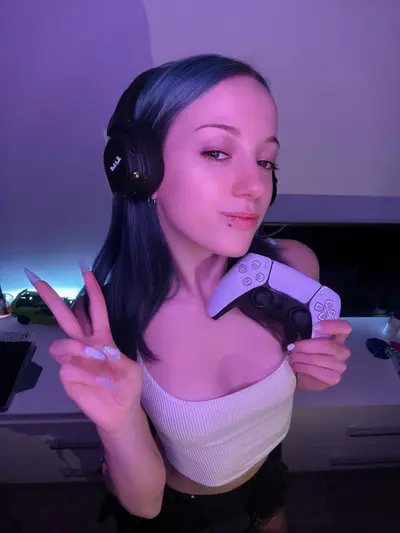






















How to choose from this collection
A game is the only subject in this part of the platform that does something back. A costume stays where it is put, a room can be dressed the night before and lit at leisure, a set can be reshot until it is right. A match cannot. Whatever happens on the screen happens once, in front of the camera, and the person playing has to respond to it in real time and be worth watching while doing so. That single fact organises the category. It explains the equipment, the shape of the content, the way the calendar runs, and what a subscription here actually buys, which is less a body of images than a body of recorded play with a person attached to it.
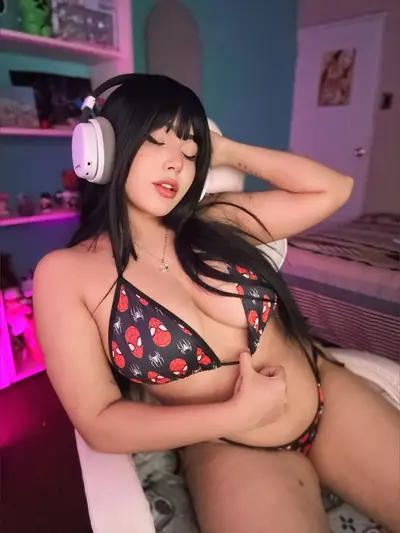
The visual shorthand has a real history behind it rather than an invented one. The headset came from voice comms in team games, where it was working equipment long before it was iconography. The jersey came from competitive play, where organisations dressed their rosters the way football clubs do. Coloured lighting came out of enthusiast computer building, where transparent cases and lit components were a hobby in themselves. Thigh-highs, oversized tees and the rest arrived from anime and from convention floors. Underneath all of it runs a lineage that goes back through arcade rooms, through the LAN parties and clan pages of the late nineties, through the first generation of webcam broadcasting, and into esports as a professional structure. Creators who came up inside that history tend to wear it lightly and accurately.
Recording play is a specific technical discipline and it is harder than pointing a phone at a monitor. A camera aimed at a screen fights the screen's refresh rate and produces rolling bands across the image unless the shutter is matched to it, so most creators capture the game digitally and record themselves separately. Screen light is the other problem, because a game changes brightness and colour constantly as it moves from an open field to a cave, and an automatic camera chases that all the way through a session. The answer is manual exposure locked at the start and a key light strong enough that the monitor becomes an accent rather than the source. Audio is kept on separate tracks so the game can be pulled down under a voice. Camera position has to leave a clear line to the display, since a shot that spoils the player's own view will not survive a real session.
There is also the plain difficulty of playing well while being filmed. Hands stiffen under observation, and the commentary that makes footage watchable competes for exactly the attention the game is demanding. What distinguishes this category from live broadcasting is that a page can be edited. A creator can record three hours, keep twenty minutes and publish something in which the timing is tight and the good round is intact. That freedom has produced its own craft: cutting to the moment of decision, letting a long silence stand where the concentration is visible, keeping the loss in when the reaction to it is better than the win.
Games are a photographic medium in their own right here, and the category has taken that seriously. Most large titles now ship a photo mode with a free camera, adjustable focal length, aperture, time of day and colour treatment, which is a full set of photographic controls applied to a world that can be paused. Creators use it to shoot inside the games they play, composing properly and posting the results alongside footage of themselves. Custom skins, mods and character creators extend the same idea, letting someone build a version of themselves inside a world and photograph it there. Little else on the platform offers anything like it.
Genre separates creators here more than anything else does. Competitive shooters and team games produce skill, ranked climbs, clip reels and a great deal of talk about mechanics. Horror produces reaction, and a face lit by a dark game is a different photographic proposition entirely. Cosy and creative games, meaning farming, building, decorating and life simulation, produce long calm sessions and enormous amounts of design work, and they have become one of the busiest lanes in the category. Large online worlds produce social content: guilds, raids, events and the running story of a server. Rhythm and movement games produce something closer to physical performance. Retro and emulation brings its own hardware talk and its own audience. The wardrobes overlap; the footage does not.
The niche has changed noticeably on the platform. It began as a static convention, a controller held as a prop in a photo set, and it has moved almost entirely towards actual play. Capture hardware got cheap, handheld consoles made filming a session trivial, and long video became easy to post, so sessions replaced stills as the centre of gravity. Playing alongside subscribers turned from an occasional favour into a defined product. The cosy-games boom brought in a large audience with no competitive interest at all. And crossovers between creators became routine, since two people can play together from different countries with no production overhead whatsoever.
Commercially the category runs on both of the platform's usual arrangements: a flat monthly subscription with everything in the feed, or an open page with material sold individually, and multi-month bundles at a reduced rate are common on the paid side. What is particular here is that a great deal of what people want costs calendar time rather than production. A session played together has to be booked into a real slot, has to work across a shared platform and region, and sometimes has to account for rank, since a wide skill gap makes for a poor game. Group nights, custom lobbies and attached chat servers are organised the same way, and upper tiers generally add access rather than volume.
The calendar follows the releases rather than the seasons. A major launch pulls everything towards it for a month, a patch or an expansion resets what everyone is playing, ranked seasons end and begin, and a quiet summer becomes the stretch where creators return to old favourites or take requests. Subscribers who get the most out of these pages tend to arrive with their own taste and their own opinions, because what is on offer is the specific pleasure of company while playing, which is an old pleasure that predates all of this by decades and has simply found a new place to happen.
Frequently Asked Questions
What do gamer girl OnlyFans creators post?
Gamer girl creators share exclusive gaming streams, cosplay photoshoots, behind-the-scenes content, and personalized interactions that go beyond what they offer on Twitch or YouTube.
Do gamer girls stream on OnlyFans?
Some gamer girl creators offer exclusive live streams and gaming sessions for subscribers. Check individual profiles for streaming schedules and exclusive gaming content.
How do I find the best gamer girl creators?
Browse the Gamer Girl collection to compare matching profiles. Featured entries appear first, followed by newer matching listings. This placement order is not based on subscriber reviews or engagement scores.